Monstera, Pothos, Philodendron – almost every popular vining houseplant multiplies the same basic way: cut it, find the node, root it. Once you understand the node, the rest is mostly patience.
What You Actually Need
- Clean, sharp scissors or pruning shears
- Rubbing alcohol, to disinfect your blade
- A jar of water, a pot with soil, or a bag of moist perlite – pick one method to start
- Bright, indirect light
That’s genuinely it. This is the cheapest, lowest-equipment way to multiply a plant you already own – no lab, no tissue culture setup, just a clean cut in the right place.
Find the Node First
The node is a small bump or ring on the stem, usually where a leaf attaches. It’s the single most important thing to find before you cut anything, because it’s where new roots actually grow from – not from the middle of a bare stem, and not from a leaf on its own. See what a node looks like and exactly where to cut for more detail.
A cutting with no node attached generally won’t root, no matter how healthy the leaf looks. If you’re not sure whether you’re looking at a node, look for aerial roots (small brown nubs) nearby – they usually grow right next to nodes, and their presence is a good sign you’re in the right spot, even though the cutting doesn’t strictly need one attached to succeed.
Where and How to Cut
- Choose a healthy stem with at least one node, ideally with a leaf or two attached.
- Disinfect your scissors or shears with rubbing alcohol first – this matters more than people think, since a dirty blade can introduce rot into both the cutting and the mother plant.
- Cut cleanly below the node, at a slight angle. The angle isn’t essential, but it does give a little more surface area for roots to form from.
- If the cutting has large leaves, it’s fine to trim them down by half – this reduces how much water the cutting loses while it has no roots yet to replace it.
Water, Soil, or Moss?
All three work. The differences are mostly about visibility and convenience, not success rate.
Water propagation
The easiest to monitor, since you can actually see the roots forming. Submerge the node in a jar of clean water, keep it out of direct sun, and change the water weekly so it doesn’t grow bacteria. Once roots are a couple of inches long, it’s ready to pot up in soil.
Soil propagation
Slower to see progress, but the resulting plant never has to make the transition from water roots to soil roots, which some growers feel gives a sturdier result. Keep the soil consistently moist, not soggy, while roots establish.
Perlite or moss propagation
A middle ground – drains well like soil, but you can still gently dig in to check root progress like you would with water. A good option if you tend to overwater.
Aftercare While It Roots
- Bright, indirect light. Direct sun on a leafless-root cutting stresses it further.
- Patience – most aroid cuttings take two to four weeks to show real root growth, sometimes longer for a slow grower.
- Don’t tug on it to check progress. A gentle, occasional resistance test is fine; frequent pulling disturbs the fragile new roots.
Troubleshooting
No roots after a month
Check that the node is actually submerged or buried, not sitting above the waterline or soil surface. This is the most common reason cuttings stall.
The cutting is going mushy or black at the base
Usually rot from water that wasn’t changed often enough, or a dirty cutting tool at the start. Trim back to clean tissue and try again with fresh water and a sterilized blade.
Roots formed in water, but it struggles after moving to soil
Water roots and soil roots are structurally a little different. Keep the soil more consistently moist than you normally would for the first couple of weeks after transplanting, to ease the transition.
Already Have a Tissue-Culture Plant Instead?
If your plant came from a tissue-culture flask rather than a cutting, the process is different – see how to acclimate a tissue-culture plant instead.
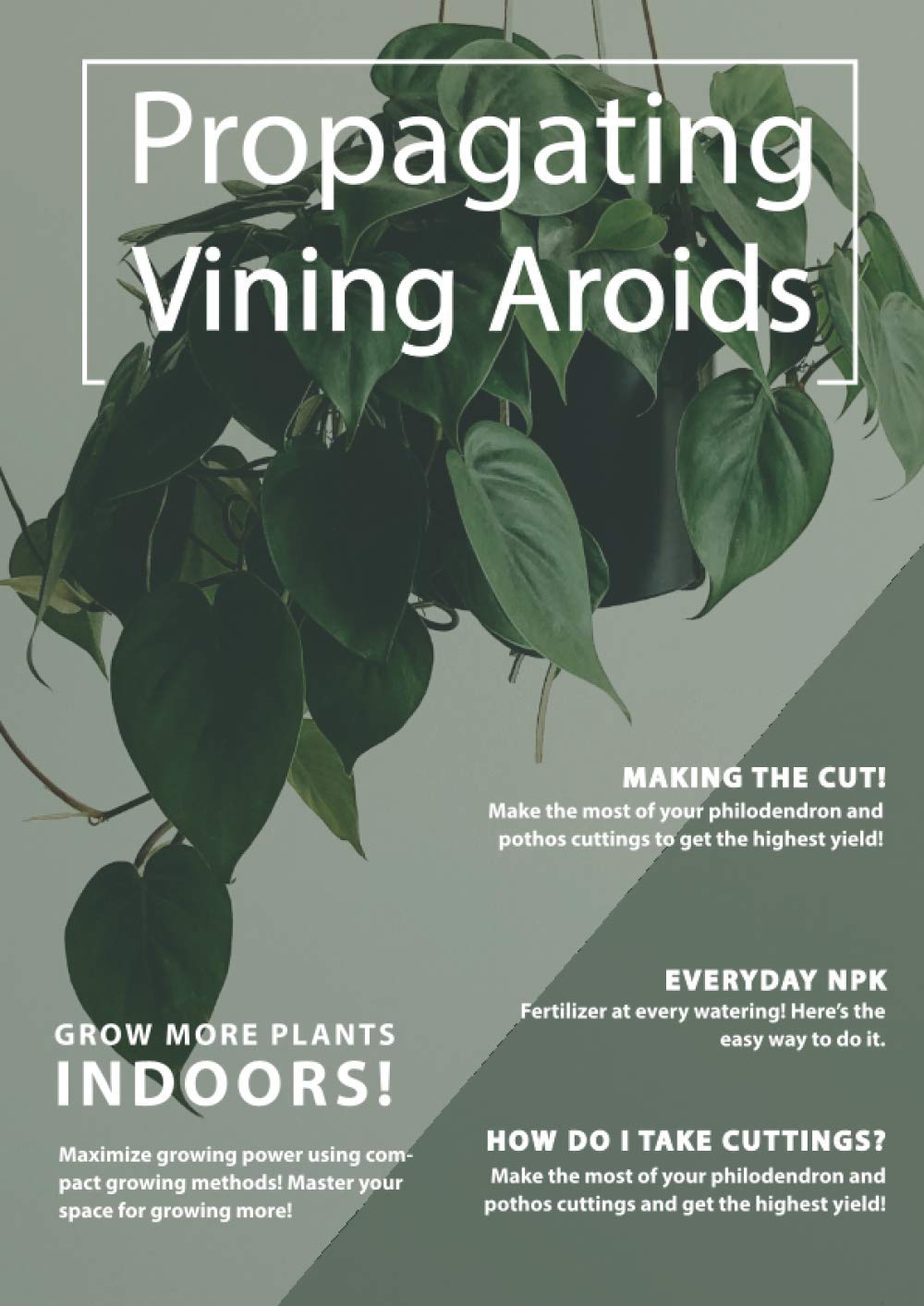
Propagating Vining Aroids is a short, visual guide made for beginners – Monstera, Pothos, and Philodendron cuttings, made to look at while you work, not read cover to cover.